Understanding the synergy between wood and forest landscapes
Wood and forests often go hand in hand. For a fence to really belong, it requires more than a wood appearance. Wood of natural tones—soft browns, deep ochres, or gentle grays—seems to mesh most naturally with forest settings. This color match makes the fence less brash, so it seems more integrated with the land, not just plopped down. You can observe how a cedar fence in a pine grove or an oak fence against a birch stand maintains the view nice and soft to the eye. A fence with a matte, understated finish—raw pine or sun-soaked teak—can virtually disappear in dense foliage come spring and summer, a bonus for those seeking privacy who don’t want to lose a sense of the untamed.
To put a wooden fence in a forested space is to work with what’s already there. Respect tree lines, bush clusters and the rolling ground. Not to ram a fence in a straight line, but curve it along the edge of a grove, or lift it over a little rise. That’s how the fence looks less suspicious, less out of place, more like it grew there. For instance, weaving the fence around old trees and allowing bushes to grow adjacent to posts can assist the fence in fading into the green. This works well in forests where the ground is uneven, as the fence follows the land’s natural roll, not battling against it. Keeping the fence close to nature’s plan helps keep the forest healthy by ensuring roots and water flow stay undisturbed.
Wooden fencing isn’t only a barrier. It can attract attention to what’s unique in a forest. A split-rail fence nestled behind a wildflower patch, for instance, transforms the flowers into a framed landscape. A low open fence by a mossy rock or stream directs attention to those things, not the fence. Working with native plantings like letting ferns or shrubs spill over the base of the fence ties the wood into the wider vista. It makes the whole area look designed yet natural. It’s about emphasizing what’s already great, not masking it.
Fence designs that replicate nature’s forms can soften the effect even further. Rather than sharp corners and flat tops, opt for fences with uneven rails, live edges, or curved lines. These shapes appear less rigid and more like the limbs and roots you encounter while hiking through the woods. Working with materials as they come from the land, like branches or reclaimed wood, can take the fence one step closer to nature. Patterns such as woven willow panels or split logs reflect the forest. It’s not surface-deep design; it honors the forest’s natural rhythm of growth and transformation. As time passes, a bare fence melds with spring and summer’s dense foliage. Come fall, painting the fence warm colors or accenting with simple designs makes it pop, complementing the falling leaves. This flexibility keeps the fence in rhythm with the land throughout the seasons.
Selecting the right wood and sustainable treatments
It takes more than selecting a good looking wood fence in a forest landscape. It’s about choosing wood that will be resilient, low maintenance, and seem right at home in the environment. Durability, maintenance, and environmental impact all count. Certain woods weather better in moist or shady locations, as found in wooded areas.
Cedar is notable for a reason. It’s naturally resistant to bugs and rot, so it performs well in moist, pest-heavy environments. This keeps cedar looking good and lasting longer with little additional effort. Redwood is another solid option for the same reasons, but can be more expensive in certain regions. Pressure-treated pine is cheaper and more readily available, but to remain sturdy, it requires more frequent inspection and sealing. Southern Yellow Pine is also used for fencing, but prices can increase due to trade rules, particularly with Canadian lumber.
Your choice of woods and stains impacts both the longevity of the fence and its harmony with the landscape. Some treatments utilize harsh chemicals that can leech into the soil and water, which is not acceptable if you’re trying to maintain a healthy forest. Water-based stains and sealers are better for the environment because they have less VOCs. These are little particles that pollute the air. If you want to make an even smaller mark, be on the lookout for stains and sealers identified as low- or zero-VOC, biodegradable, and non-toxic. These are safer for humans and animals, and they still assist the wood in withstanding sun and rain.
Treated vs. Untreated wood: These are obvious trade-offs. Treated wood, such as pressure-treated pine, can stand up better to rot and bugs, but it may require additional maintenance to maintain its appearance. Naturally resistant woods like cedar or redwood already repel pests and rot and don’t require as much assistance from aggressive treatments. Add the proper love—sealing, staining, painting—and a wood fence can stand for 15 to 20 years, often longer. About choosing the wood and treatment sustainably. Humid, wet locations require woods that won’t rot quickly, while dry, sun-baked spots need wood that won’t crack or fade as easily. The ground and slope can also vary what works best since fences in low, damp spots are more at risk from rot.
So when purchasing wood, it’s wise to look for evidence that it was harvested in ways that safeguard forests and local populations. The following certifications show the wood meets those standards:
- Forest Stewardship Council (FSC)
- Programme for the Endorsement of Forest Certification (PEFC)
- Sustainable Forestry Initiative (SFI)
- Rainforest Alliance Certified
Applying design principles for seamless integration
When combining wooden fencing and a forestscape, the goal is for them both to feel like they were meant to be together. Good design can transform a sheer face from a mere retaining boundary into a design feature that not only looks and functions better but adds value to a property. Research has demonstrated that a smart fence can add 5 to 15 percent to the value of a property, or more. How you situate and construct a fence is just as important as what it’s made of.
Designing fence lines to fall in line with natural contours of the land and existing trees prevents any hard sharp lines that interrupt the view. By designing the fence so it travels with the slopes and curves of the earth, it will seem like an extension of the land, not an afterthought laid upon it. This is key to salvaging existing vegetation, protecting root systems, and ensuring fences don’t become eyesores. Fences can be used to direct people as well, to demonstrate where to walk and carve clear paths through the trees. By considering fence lines as soft directors, designers can make outdoor spaces seem more spacious and approachable.
Selecting a fence height and style is crucial. High fences, 1.8 to 2.4 meters, function for privacy but can obstruct forest views. A nicely positioned 1.5-meter fence provides you with more privacy than a 3-meter fence positioned somewhere less appropriate. For others, semi-solid fences with roughly 50% density are your best bet. They reduce wind while allowing some light and airflow to pass through, making outdoor spaces more enjoyable. It’s wise to consult local regulations before selecting fence heights, as many municipalities have restrictions. The fence’s style should coordinate with your home’s appearance and the rest of the yard. Applying design principles for seamless integration, using the same type of wood or finish integrates the fence with the house and garden.
Breaking up the fence line with staggered or uneven panels is perfect for mimicking the appearance of wild growth. This way, the fence doesn’t appear to be a wall. Instead, it’s a gentler, more organic edge that blends in with the trees and bushes. Uneven spacing or varying panel heights can help the fence recede into the background, instead of calling attention to itself. This is most effective when using materials that naturally blend in with the forest, such as matte or unfinished natural wood.
Planting beds or climbing plants along the fence blur that boundary between built and natural. Fast-growing vines, small bushes or native flowers can hide hard lines and fill out gaps so the fence looks like part of the forest. It benefits privacy, reduces noise and enhances the habitat for wildlife. If you’re adding plants, be sure to consider how accessible the fence will be for maintenance, particularly if there are nearby trees that may require pruning at some point.
Enhancing biodiversity and supporting wildlife
Wooden fencing in forest landscapes can influence the way wildlife travel, eat, and take cover. Fences are ubiquitous throughout the world, but we humans tend to underestimate how profoundly they alter the landscape and local wildlife. If not designed thoughtfully, fences can fragment wildlife habitat, impede migration, and even contribute to the rapid degradation of sensitive ecosystems. For instance, the Maasai Mara National Reserve in Kenya has experienced fencing that fragments open terrain and alters the migration paths of antelope and other wildlife. This can have tangible costs for biodiversity and communities living around these sites.
Creating gaps or small wildlife corridors along the bottom of wooden fences enables animal movement across the landscape. These gaps allow hedgehogs, frogs, rabbits, and other small creatures to go underneath fences unharmed. In the western U.S., wildlife-friendly fencing has allowed animals to roam more freely while enabling people to control their land and maintain livestock in a desired location. Keeping these gaps wide enough, a minimum of 15 centimeters, can benefit various species.
Plant native shrubs and ground covers along fences to provide food and shelter for local wildlife. Birds could nest in dense bushes, and bugs and tiny mammals could take refuge from larger hunters. Regional native trees and ground covers are best, as they require less maintenance and are already adapted to the needs of local wildlife. On a forest’s edge, plant berry bushes for birds or pollinator-attracting ground creepers. This transforms an ordinary fence line into an animated piece of the living ecosystem that supports a plethora of life.
If you build or treat wooden fences, don’t use paint or chemicals that could harm the animals, insects, or soil. Certain wood treatments have poisons that leach into the soil, where they are absorbed by the plants or flow into waterways. These can be a danger to nearby insects, birds, and even mammals. Opt for natural stains or leave wood untreated when you can. These are safer for the land and all who dwell there.
Minimizing habitat fragmentation in fence design means thinking about:
- Utilizing natural breaks in the landscape, such as streams or dense woods, for fence lines.
- Restrict solid panels. Use slats or gaps where possible.
- Placing fences only where needed to reduce total length
- Setting fence lines away from main wildlife corridors
- Enhancing biodiversity and supporting wildlife.
- Following local or national guidelines for wildlife-friendly fencing
Deer fencing has real impact, positive and negative, on wildlife and habitat. Certain governments these days request habitat connectivity plans prior to new fences being erected. Active research unites land planners, scientists, and native inhabitants to seek out improved methods for balancing demands.
Creating functional zones with wooden fencing
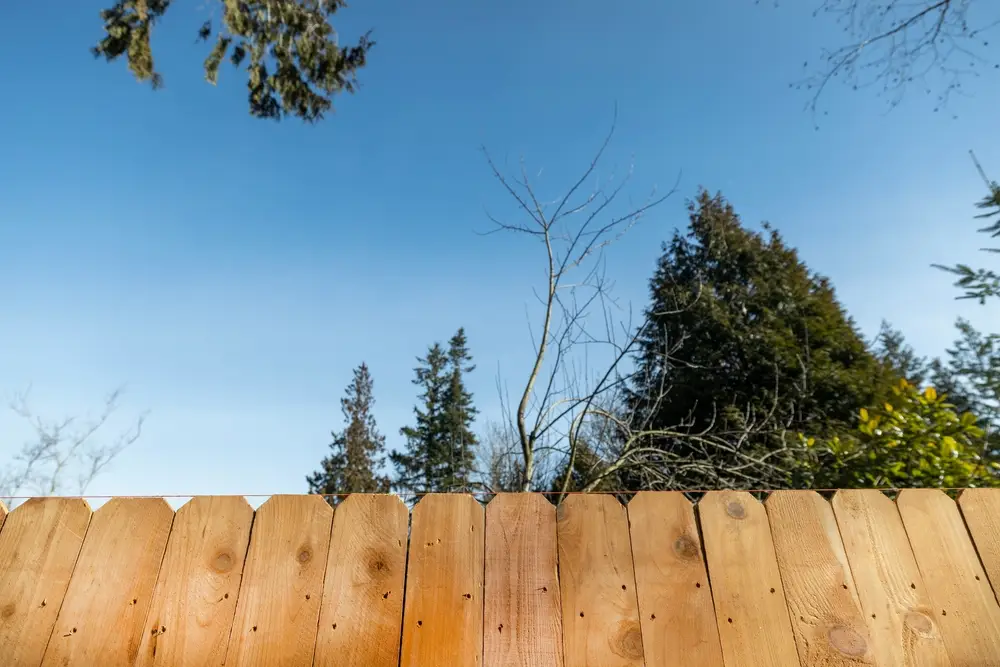
Wooden fencing can help divide outdoor spaces and define the behavior of an in-forest style yard. By crafting functional zones with wood fences, you establish distinct spaces catering to varied activities, be it unwinding, cultivating plants, or engaging in play, while anchoring the aesthetic in harmony with the trees and wild vegetation. It works for small or big gardens and suits many cultures because it is about making the space more functional and peaceful, not about adhering to a style or trend.
Defining spaces with wooden fencing. Fencing off your outdoor rooms is an uncomplicated yet powerful method of holding things together. You can create a peaceful reading nook beneath the trees with the addition of a slat fence or even incorporate a picket style fencing to define a children’s play area. Pick open fences for gardens, where air and light are key, but use taller, closed boards for a patio or private seating spot. For instance, if you desire to add an area to cultivate edibles, a short, rustic fence keeps furry friends at bay and still gives you visibility to your veggies. Each area has its own distinct sense of being and still connects to the wild vibe of the woods.
Fencing is not only for aesthetics. It controls the flow of traffic through the yard and routes foot traffic away from delicate ground or exotic plants. By running a fence along a path, you direct people where you want them to go. If there’s a wetland or patch of wildflowers, a split-rail fence provides a soft nudge to keep away, reducing damage to the terrain. Careful siting allows you to let some areas of your yard get a little wild, while others remain tidy.
When you combine wood fencing with charming details like gates or arbors, the transitions between zones feel fluid and inviting. For instance, a wooden gate in a lattice fence opens into a secret garden, or an arbor with climbing vines designates the transition from a lively playground to a peaceful glen. These doorways help divide the space and provide a feeling of movement, causing the yard to seem larger and more engaging. With some solar lights on the fence posts, you can illuminate paths and entries at night, conserve energy and make the space safer.
Wood fencing complements most design styles, from Gothic Revival with pointed tops to the clean lines of Mid-Century Modern. You can choose a design that complements your home or provides a stark contrast. Most folks seek out fences constructed from local or recycled wood or ones that have been treated with eco-friendly oils these days, just to stay green. This decision encourages an emphasis on tending the land and constructing outdoor rooms that complement contemporary notions of space and nature.
The table below shows some common zone functions and fence styles that work well for each:
| Zone Function | Recommended Fence Style | Notes |
| Play Area | Picket or Horizontal Slat | Low height, open view, safe for children |
| Garden Plot | Woven or Rustic Split-Rail | Allows airflow and sunlight, blends with plants |
| Private Patio | Solid Board or Louvered | Taller, offers privacy, can support vines |
| Seating Area | Lattice or Trellis | Semi-private, supports climbing plants, light and airy |
| Protected Forest | Split-Rail or Log Fence | Marks boundary, keeps foot traffic out, natural appearance |
Combining materials and artistic elements for unique appeal
Mixing materials and artistic touches to wooden fencing can carve out outdoor spaces that are both refreshing and ecologically appropriate for forest surroundings. These options allow fences to serve beyond the simple delineation of space. They can express aesthetics, connect with nature, and even support environmentalism.
Incorporating stone, metal or glass accents into wood fencing really alters the sensation and appearance of a fence. Stone at the base or as pillars can frame the fence, making it seem solid and organic. Metal strips or frames, typically black or in brushed steel, bring contrast and a modern, sleek edge that pops against wood’s warm hues. Frosted or clear glass inserts can open views and light while maintaining some privacy. These mixed materials introduce new textures, so the fence appears and feels less flat. For instance, a fence featuring smooth metal posts and rugged wood planks possesses a deeper aesthetic and can complement various styles, ranging from rustic to contemporary.
Custom carvings, lattice, or cutouts can highlight local craft or personal style. Carved panels with leaf or tree shapes mirror the surrounding forest, while latticework allows climbing plants to weave themselves into the fence over years. Decorative cutouts can introduce light and shadow, making the fence transform through the day. For those who want their space to be more personal, you could incorporate patterns from your local culture or symbols that are special to your family. Even basic shapes or lines sliced into the wood can set your fence apart from typical panels.
When you use reclaimed wood or blend old and new materials, your fence becomes eco-friendly and gains more dimension. Old barn wood, railroad ties or salvaged doors can all be re-purposed as fence panels. This not only conserves resources, but provides the fence with a narrative and style that virgin wood just can’t replicate. Adding some iron from old gates or stained glass from windows adds color and texture. These options are appealing to individuals who are environmentally conscious and want their yards to express that.
A range of artistic fence elements can work well in forest settings:
- Hand-carved animal or leaf shapes in fence panels
- Metalwork accents, like birds or vines, are adhered to posts.
- Painted murals with nature themes on larger sections
- Solar-powered lights built into the posts or rails
- Living walls with pockets for moss or small plants
- Incorporating colored glass or acrylic panels for additional illumination and color.
- Recycled stone or brick bases for a grounded look
- Hanging sculptures or wind chimes that catch the breeze
Bringing in art, be it small sculptures or painted panels, makes a space feel more done and cared for. Color, whether paint, glass, or plants, helps connect the fence to the rest of the garden and forest. Lighting, like solar-powered lamps, can highlight these characteristics come nightfall, casting a warm, welcoming radiance and making the space feel secure. Unusual materials, such as acrylic or even living green walls, can transform a fence into a genuine focal point. These selections make each room radiate uniquely, appropriate for both the woods and those who inhabit them.
Maintenance, seasonal adaptation, and long-term care
When you combine wooden fencing with forest landscape design, you have to think about how the fence will hold up to the elements and how it looks through all the seasons. Maintenance is the primary method for ensuring fence strength and landscape health. Wood fences require a little more TLC than materials like composite or metal, but they provide that natural aesthetic that blends with trees and bedding. Checking for rot, bug damage, or any sign the fence is sagging is necessary all year, not just once. Wet weather, strong sun, and sudden temperature drops can all degrade wood quicker, so staying on top of these inspections is essential. If your home is in an area that sees a lot of rain or snow, the wood may absorb water and begin to rot. Metal fences could rust unless they are specifically designed for wet weather.
Having a nice stain or sealant applied to the wood each season helps prevent water from infiltrating and halts color fading. By using a finish that is not shiny bright, the fence will better blend in when the leaves pop out during the spring and summer. This renders the fence less a feature, allowing the trees and plants to be the stars. If you live in an area that is prone to heavy snow, consider ensuring the fence can bear additional weight or supplement it with support posts. Windbreak fencing, erected preemptively before storms or cold seasons, has the ability to protect new plants and thus save on plant replacements and heating bills.
It should play nicely with the seasons. Leaves can accumulate at its base in the fall, so be sure to leave sufficient clearance between the base and the ground for easy removal. In winter, branches may fall or require trimming. Therefore, position the fence a sufficient distance from trees to accommodate a ladder or pruning equipment. This way, you don’t have to remove small sections just to maintain mature trees. Sustainable options such as low-toxin stains or wood from well-managed forests maintain the entire landscape in good condition over time.
A checklist for ongoing care can help keep things simple and clear:
- Check all around your fence every few months for rot, loose boards, rust, or insect holes.
- Brush away dirt, leaves, and moss with a soft brush and water.
- Use a stain or sealant in fall and spring on the sides that get the most rain or sun.
- Inspect posts for solid setting and tighten or replace fasteners as necessary.
- Remove any leaves and branches that rest on or lean against the fence.
- Adjust or add supports before heavy snow or wind.
- Maintain paths for fence, tree pruning, or removal.
Taking care, preparing for the seasons, and thinking ahead make the fence and forest landscape coexist, look great, and stand the test of time.