Understanding high-performance forestry equipment
Read about high-performance forestry equipment that can help accelerate timber work in a safe manner. These beasts are made for rough terrain, including slopes, swamps, and wetlands, where equipment needs hard traction and reliable stability. Smart boom control can get those logs placed exactly where you need them, saving time and reducing errors. That means operators accomplish more in the same amount of time and work remains safer, even when the going gets tough.
State-of-the-art safety systems are now standard. Many of these machines sport specialized reinforced cabs that protect operators from falling trees and debris. Others utilize sensors to monitor machine angles and alert if things become dangerous, allowing operators to pause before incidents occur. Remote monitoring enables teams to monitor equipment health, detect issues ahead of time, and schedule repairs before minor defects become major. Improved safety translates to fewer injuries and lost time, keeping jobs on schedule.
They’re not the only thing that’s more productive, though. With mighty diesel motors, some as large as 9 liters, they can pump out 30% more horsepower at low rpm. That is, they fell, skidding and cutting hardwood in thick mud or snow. High torque at low rpm helps equipment move heavy loads without stalling, which is crucial on soft ground or steep hills. That means operators can work longer shifts without stressing engines, which saves fuel and keeps costs down.
There are many types of forestry equipment, each for a specific task. Feller bunchers quickly sever and collect trees. Harvesters fell, delimb, and cross-cut lengths in a single action. Skidders drag logs out of the forest. Forwarders transport felled timber to the roadside. Every machine has its advantages, so choosing the appropriate one accelerates work and reduces waste. Here’s a quick look at common forestry machines:
| Equipment Type | Main Use | Key Advantages |
| Feller Buncher | Cuts and bunches trees | Fast, precise, works on steep land |
| Harvester | Cuts, limps, and bucks logs | Multi-task, boosts safety, data tracking |
| Skidder | Drags felled trees to landing area | Good on rough ground, strong pull |
| Forwarder | Transports logs off the site | Keeps logs clean, less soil damage |
Custom attachments—like harvesting heads for delimbing or felling heads for thick trunks—allow a single unit to tackle multiple tasks. Head changes are fast, too, enabling crews to move from cutting to loading without exchanging machines. Machine settings can be optimized for selective or clear-cutting. Selective logging takes out some, but not all, so forests can bounce back. It’s more land-intensive in its effects, but clear-cutting is quicker, so the two methods find their own differing niches.
Good stuff, too. Top makers’ machines run longer, break down less, and stand up under hard loads. Trusted brands provide support, training and spare parts, which is crucial for crews operating miles from cities. Ignoring routine maintenance — oil changes, filter swaps and hydraulic checks — is an easy recipe for expensive downtime. Maintenance keeps machines safe, saves money and lengthens their lives.
Essential features for speed and safety
Forestry work requires equipment that lives up to hard jobs and protects. It is specially designed for dry wood and the needs of utility workers in the field. With the right balance of comfort, power, and safety, teams can complete jobs quicker and reduce the chance of injury.
Comfortable, certified forestry cabs are a necessity for long days in the field. A sealed cab with pressurized air filtration keeps dust and dirt out, which is critical for operator health, particularly in dry or wildfire-prone forests. Vibration-dampening technology in the seat and controls reduces operator fatigue and minimizes the risk of injury from repetitive use. Operators can see their work environment with large windows, backup cameras, and advanced visibility systems, which reduces blind spots and helps prevent accidents. Cabs with ergonomic controls and easy-to-use touchscreen panels keep things simple, so even less-experienced operators can learn fast and work safely.
Powerful, efficient machines with horsepower, aggressive cutting power and smooth hydraulics make all the difference in speed and safety. More horsepower means it can handle bigger trees and lug heavy loads with ease. Aggressive cutting heads, such as hardened steel blades or carbide tips, cut wood fast and clean. High-performance hydraulics deliver smooth and precise control, which is critical when lifting, cutting and moving material in tight spaces. A larger hydraulic oil reservoir aids in keeping the system cool and operating efficiently during extended jobs, resulting in reduced downtime and decreased risk of breakdowns. Four-wheel drive and a wider stance with large tires provide better traction and stability, keeping machines on their feet and riding safe on steep or muddy terrain.
Fast-connect systems allow teams to switch tools such as grapples, saw heads or mulchers in minutes. That slashes the time machines spend idle and allows crews to address multiple tasks without swapping out complete machines. Chisel tips or road diamonds each serve a specific function; some carve fast along broad slabs, while others excel at precise cuts. Being able to grab the correct tool at a moment’s notice saves time and makes the entire process safer since the machine is always tuned for its immediate task.
Rock solid safety features are a must. Protective guards protect operators from flying debris and falling branches. Emergency stop systems enable operators to immediately stop the machine in the event of an issue. Backup cameras and load control systems reduce the chance of crashing into things or toppling. Drivers to deal with: Always wear PPE, like helmets and hi-vis. When combined, these features reduce accident hazards, protect workers’ health, and enable teams to complete projects on schedule.
Key equipment types and their applications
High-performance forestry work requires a variety of machines, each designed for a specific task. Employing the right machine for the right job will accelerate work, protect workers, and reduce costs on site. Below is a quick list of common forestry equipment types and what they do:
- Track harvesters are used for cutting and processing trees, often in rough ground.
- Wheel loaders move logs, soil, or debris and are good for flat surfaces.
- Excavators: Dig, remove stumps, and handle heavy lifting.
- Compact track loaders handle small jobs or work on soft, tricky ground.
- Mini excavators are fit for tight spots or small-scale forestry.
- Feller bunchers cut and gather trees with fast and precise work.
- Forwarders: Move logs from the forest to loading areas.
- Yarders: Pull logs uphill or over long distances.
- Forestry winches pull or lower logs in steep or wet areas.
- Mulchers: Clear undergrowth or small trees and mulch trunks up to 16 inches (40 cm).
- Towers are used for cable logging, with sizes ranging from 9 to 27 meters.
Track harvesters can be found on most land clearing and timber extraction jobs, particularly where the land is steep or muddy. Their tracks distribute the weight so they don’t sink. Wheeled harvesters operate better on hard, level terrain and travel quicker between locations. Both employ harvesting heads capable of cutting logs up to 75 centimeters (about 29.5 inches) thick, making them well-suited for cut-to-length work. Swing booms on these machines can reach more trees from one position, so you operate the machine less and get more working time in.
Wheel Loaders and Excavators handle the heavy lifting. Wheel loaders are best for moving logs, earth, or chips short distances. They scoot along quickly on roads, but crawler loaders have superior traction and stability on soft or irregular terrain. Trailer-mounted loaders are a less expensive, portable alternative for smaller sites, but sacrifice some speed and lifting ability. Excavators, with buckets or grapples, dig out stumps and assist in stacking logs or brush. They can be equipped with specialized arms or heads for hard or awkward tasks.
Small-scale projects or tricky terrain require compact track loaders and mini excavators. Their compact size allows them to operate where larger machines can’t reach, such as alongside streams or deep within thick forests. Tracks keep them stable on slopes or mushy terrain. They’re great for stand thinning, trail building, or storm cleanup.
Certain tasks require specialized machinery. Feller bunchers on wheels or tracks cut and bunch trees at once, which is a big help for selective harvests or working on steep slopes. Premium models feature rapid, precision cutting equipment for heavy-duty tasks. Forestry winches, which are sometimes attached to tractors or small dozers, drag logs out of tight areas or up steep slopes that trucks or loaders can’t reach. Forwarders transport logs out of the forest. Certain medium-sized ones can carry 12 to 16 metric tons per trip. Yarders, either mobile or fixed, employ cables to drag logs through rough terrain or uphill. Lighter machines move 1 to 3 metric tons per load. Mulchers clear brush and small trees, with some shredding trunks up to 40 centimeters thick.
Towers for cable logging, which assist in transporting logs up or down slopes, range in height from 9 to 27 meters (30 to 90 feet). They fit sites with minimal road access or where soil must remain untouched.
Technology innovations driving efficiency
Forestry innovation has accelerated with the advent of new machinery and digital technology. Connektiv’s innovations include tech-driven equipment that increases efficiency. These new tools help logging crews in every type of forest, from thick woods to open plantations. GPS-guided harvesting and drone surveys are just some of the ways that many machines are now used. Utilizing GPS, operators are able to plot precise routes for harvesters and forwarders, reducing time spent planning and driving. Drone-assisted surveys and satellite imagery assist crews in monitoring forest health, identifying areas of concern, and ultimately optimizing cut plans. Data analytics facilitate using exactly the right amount of wood, which means less wood is wasted and more gets put to use. Solutions such as TimberMatic Maps and TimberManager enable crews to exchange up-to-date data and monitor each step, keeping the entire team in sync. Telematics systems provide updates on machine health, fuel consumption, and hours worked, assisting businesses in identifying problems before they escalate.
New forestry equipment incorporates fuel efficient engines and advanced hydraulics. Many engines comply with tough emission standards through intelligent controls and purer fuels. It reduces greenhouse gases and keeps the air cleaner. Enhanced hydraulics go quicker and sip less oil, so whether you’re lifting, slashing, or loading, it’s smooth and speedy. Smart engineering, including auto-lube systems and easy-access service points, helps keep maintenance costs low and machines running longer. A lot of the newer equipment is making comfort a priority, with hushed cabs, coccyx-friendly seats, and controls configured to accommodate all operators. With fuel-saving technology and an advanced safety suite, these features make long shifts less exhausting and safer for all.
| Technology Feature | Benefit | Example Models or Systems |
| Integrated GPS & Telematics | Precise cuts, route mapping, real-time data | John Deere TimberMatic/TimberManager |
| Fuel-efficient Engines | Lower emissions, less fuel needed | Komatsu EU Stage V Engines |
| Advanced Hydraulics | Smoother, quicker movement | Ponsse ScorpionKing |
| Drone-assisted Surveying | Better planning, health checks | DJI Phantom for forestry |
| Data Analytics | Less waste, better resource use | TimberManager, proprietary systems |
| Automated Cutting Systems | Faster, more even cuts | Tigercat 1165 Harvester |
| Modular Attachments | Multi-task capability | Waratah HTH heads, interchangeable saws |
| Operator-focused Design | Safer, more comfortable work | Ergonomic cabs, noise reduction |
With machines that feature modular designs and quick-change attachments, crews can swap out felling to loading in a matter of minutes. That saves time and allows one machine to do the work of several. For instance, today’s harvesters can be equipped with heads for both thinning and final felling, while forwarders can transport implements for brush clearing or road construction. Such configurations are suitable for a variety of forests, from northern softwoods to tropical hardwoods. Equipped with intelligent add-ons, forestry experts can tackle sharp slopes, saturated soil, or confined areas without changing out entire machines.
Maximizing productivity and minimizing risk
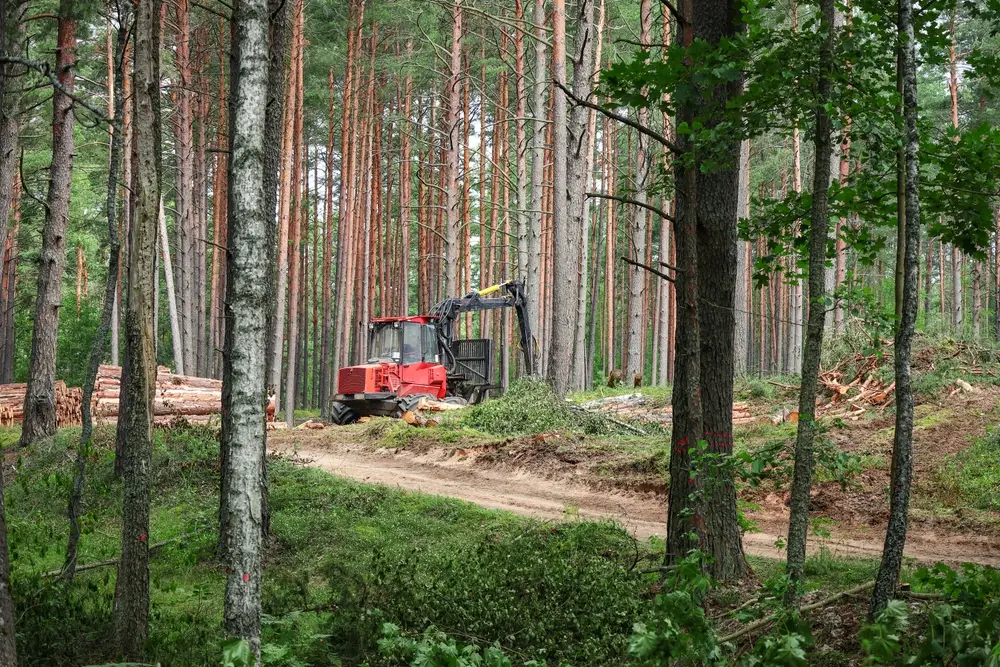
High-performance forestry equipment transforms timber work. When used properly, it can reduce time, reduce costs, and make the work site safer for all concerned. The right machines, good habits, and smart tools help keep logging speedy while reducing risk for people and the forest itself.
Periodic equipment inspections and operator training maintain machines at peak performance and reduce downtime. Predictive maintenance, enabled by sensors and diagnostics software, identifies worn components early and alerts crews before larger issues arise. This translates into less unexpected downtime and less expensive fixes. When operators understand their equipment and adhere to a maintenance schedule, equipment lasts longer and performs better, day after day.
Your modern logging gear should take care of big work and harsh weather. High load capacity and tough builds mean our equipment can move big hardwood logs without missing a beat. With load-sensing hydraulics and multiple pumps, machines share power well so they operate quickly and efficiently. On steeper land or softer ground, tracked rigs cause less damage to the forest floor and reduce soil compaction. This holds the soil fertile for fresh shoots and more secure for employees and nature.
Timber harvesting systems and smart material handlers assist in transporting logs from stump to truck with reduced labor. Some of the more advanced tech, such as GPS and telematics, helps plan routes to avoid fragile areas and keep crews out of harm’s way. Fleet management software tracks every machine, ensuring that no one is wasting additional fuel or operating where prohibited. Satellite-based analytics and real-time monitoring provide bosses visibility into equipment health and operational efficiency, enabling them to address minor skews before they grow.
Smart boom control systems take some of the heavy lifting off operators by automating the crane’s motion. This allows the individual in the cab to concentrate on positioning the cutting head in just the right location, which makes the work both more efficient and safer. Some harvesters now cut down as many as 200 trees each day, which is two times faster than older methods. Workers remain in climate-controlled, secure cabins, protecting them from falling branches and other dangers.
Safety first in forestry. Establishing effective safety protocols for employees reduces the chance of harm. Key points include:
- Wear protective clothing and helmets at all times
- Keep clear of moving equipment and swinging loads
- Use safety barriers around active machines
- Follow lockout/tagout steps before repairs
- Stay trained in emergency first aid and rescue plans
Maintenance strategies for longevity and reliability
Top-tier forestry tools require consistent attention to facilitate swift and safe labor in rugged environments. Having a solid maintenance plan is not merely about repairing fractured components. It includes regular inspections, proper cleaning, and intelligent utilization of materials supported by transparent guidelines from the manufacturer. These measures reduce expenses, minimize downtime, and protect employees.
A solid maintenance strategy begins with periodic inspections, lubrication, and swift replacement of consumable components. Checks should examine the entire engine, considering blades, treads, filters, and belts. Cleaning and oiling these components prevents rust and wear, which keeps the mechanism running smoothly. For instance, wiping a harvester’s chain and bars after every use prevents build-up that can hinder work or even snap the machine. Oiling moving parts is just as key, as it keeps things from grinding down too soon. Adhering to the maker’s schedule for checks and swaps aids in identifying minor problems before they become major, such as a minor leak in a hydraulic hose that, if left unchecked, would result in a complete breakdown.
Monitoring how every machine is operated and functions provides a precise insight into its potential failures in the future. Think good record-keeping—hours, loads, past fixes—to help workers identify patterns. If a forwarder is operated heavily on steep terrain, its tires and brakes may require more frequent attention. Any early warning signs like early wear, strange noises, or loss of power should be recorded so repairs can be scheduled before catastrophic problems strike. This has kept equipment running in the field and reduces the chance of extended, expensive downtime.
By stowing your forestry gear in a dry, secure location, you reduce the risk of rust, weather damage or theft. Parking inside, using a tarp covering, and locking up can do so much. When parts do wear out, high-grade spares designed to the maker’s own specs keep machines working right, even in the harsh cold or wet forests. Cheap or wrong parts may save upfront cost, but can result in more fixes or even threaten worker safety. The right fuel and oil count. A chainsaw designed for a particular oil mix will perform better and service longer if it is run with the proper blend.
Reducing maintenance expenses involves educating employees on the proper way to operate, inspect, and repair machinery on a daily basis. Training assists them in identifying early trouble signs, such as loose components or strange leaks, enabling them to respond swiftly. Maintenance tips for the long haul. When workers understand how to treat machines properly, they prevent errors that lead to accidents or costly repairs. Sticking to these habits keeps emergency shutdowns, major repairs, and even faulty equipment accidents at bay.
Environmental impact and sustainable practices
Forestry work with high performance machines can be significantly impactful on the environment. As equipment makers, users, and land managers, it’s crucial that we choose tools that reduce carbon footprint and utilize fuel efficiently. Numerous new forestry machines are powered by low-emission engines and have more efficient fuel systems. This reduces greenhouse gas emissions in the field. Some brands even collaborate with carbon offset programs to offset their carbon emissions. For instance, a harvester that minimizes diesel and monitors emissions could satisfy both business and climate targets. Opting for machines made with recycled steel or environmentally friendly plastics can reduce the footprint upfront. Forestry operations can stay ahead of new international standards and government regulations by employing machinery with these capabilities.
Responsible forestry is about more than choosing the right machine. Modern harvesters and forwarders allow crews to perform selective harvesting, where only certain trees are harvested rather than clear cutting large areas at a time. This minimizes harm to the earth, streams, and ecosystems. GPS-equipped machines and remote sensors assist crews in planning the land before the work begins, allowing them to avoid disrupting sensitive areas. Automated controls assist with precision cutting to decrease waste and ensure that premium trees are preserved to mature. When equipment is utilized this way, forest companies get to practice industry best standards and demonstrate that they care about the long-term health of the land. For instance, a processor equipped with a mapping system can inform operators which trees to sample and which to preserve, thereby streamlining the task and increasing safety.
Forestry mulchers and other customized attachments simplify clearing land for new growth or eliminating post-harvest waste wood. Mulchers can pulverize branches and stumps right where they fall, leaving organic mulch on the ground to nourish regrowth. This is better for the soil than burning or hauling it away. These implements aid reforestation, as they prepare the land for planting while controlling erosion. For certain projects, mulchers are employed to thin out dense forest regions to avoid wildfires, potentially keeping forests healthy for the longer term. Biomass aggregators can convert wood waste to chips or pellets for renewable energy, reducing demand for fossil fuels.
Sustainable forest management isn’t just about machines. It means monitoring forest conditions regularly, establishing strict cutting limits, and protecting animals and waterways. Armed with digital tools like satellite images and real-time data, managers can detect signs of overuse or stress soon. Your equipment requires regular inspections and maintenance to ensure it continues to operate cleanly and safely. Maintained tools perform efficiently, they last longer and use less fuel, which is good for your bottom line and the planet. Sustainable forestry respects the needs of the land, the community, and the economy, ensuring that forests can continue to produce wood, jobs, and ecosystem services including clean air and water for generations.