Transforming forest monitoring with smart technology
How smart sensors and fences are transforming forest monitoring. They operate around the clock, dispatching real-time alerts regarding forest events. This transition implies reduced reliance on physically trudging through difficult terrain or camping out in the field for days. With less time on foot, teams can move quicker when something is awry. Smart systems can detect logging or poaching as it begins, not once the harm has been inflicted. This early warning saves not only trees and wildlife but also time and money.
Satellite images and drones put more eyes in the sky paired with ground sensors and even low-cost LiDAR found in certain tablets, they construct a complete and lucid image of the forest. These instruments monitor tree growth, map land variation, and detect the onset of fire or drought. LiDAR works best for creating digital twins of forests, allowing us to monitor every tree and quantify stored carbon. This is crucial for climate objectives, as forests absorb carbon and purify the air. Smart tech means that nothing goes unstimulated, even in places humans cannot access or in storms, freeze, or fire seasons.
Smart fences and sensors do more than observe. They gather data that is more precise and dependable than estimates or one-day in-the-field inspections. There is less error and constant updates, so forest managers know in real time. This information is available to all members of the team, so everyone is on the same page. No longer like antique techniques in which a tiny overlooked nuance might cost months, smart networks capture information immediately. They operate 24/7, rain or shine, and can trigger alerts for smoke, movement, or noise, so response can arrive before major issues arise.
IoT forest monitoring is forest-innovating. Examples include:
- Sensors connected via wireless networks are capable of transmitting data from deep within the forest.
- Solar-powered cameras and sensor hubs are capable of operating for months without a maintenance visit.
- Flying dedicated routes to monitor vast regions for changes, then transmit images or maps immediately.
- Smart fences deploy vibration or sound sensors, alerting teams if an individual or animal breaches a protected area.
Energy is important. Most of these devices are low-power and can easily survive on solar panels. That means they require minimal maintenance and can continue operating long-term autonomously. The future is injecting more robotics, drones and human-directed methods where desired, making forest care even smarter.
Exploring sensor types and their applications
Between smart sensors and digital fences, keeping forests safe and helping teams understand the land. These instruments provide unambiguous, timely information that can detect shifts quickly and enable preemptive intervention before minor complications spiral. Various sensor types contribute their roles, rendering the entire ecosystem richer and more valuable.
- Environmental sensors: check temperature, humidity, air and soil quality
- Acoustic sensors: pick up animal calls, chainsaws, or gunshots
- Motion sensors: spot movement from animals or people
- Camera traps: snap photos or videos when triggered
- Vibration sensors: They detect ground shakes, foot traffic, or vehicle movement.
- Light sensors track sun exposure or changes in canopy cover.
- Multi-sensor nodes blend several data streams for a full view.
Environmental sensors monitor important indicators that reveal the health of your soil. They record temperature cycles, humidity changes, and surges in gases like carbon dioxide or methane. These variations can alert us to drought, storm danger, or contamination from fires or garbage. For instance, if temperature spikes and humidity plummets, it may be an indication that a fire is impending or expanding. Teams use this information to schedule watering, manage tree health, and configure fire alerts. By analyzing data from sensors, air quality monitors can identify wildfire or road dust, enabling proactive measures for alerts and interventions. These instruments are solar- or battery-powered, so they function in remote locations with minimal maintenance.
Acoustic and motion sensors occupy another important function. Acoustic sensors eavesdrop on animal calls, chainsaws, vehicles or gunfire. That assists teams in enumerating animals, monitoring endangered species, and preventing poaching or illicit timber harvesting. For instance, if a sensor detects a chainsaw in a no-cut zone, it can notify rangers immediately. Motion sensors detect activity from elephants to fence crawlers. Teamed with camera traps, they simplify identifying if the motion is from wildlife, a research crew, or a ne’er-do-well. These sensors operate 24/7 regardless of weather and allow crews to track trends.
Multi-sensor networks provide a more vivid and comprehensive picture than single-sensor architectures. One sensor sticks or causes false alarms, but a network can cross-check and fill gaps. For instance, a motion sensor may detect movement, and then an acoustic sensor can distinguish if it was a person or a deer. When all of these streams work in concert, teams observe both major trends and minor, quick shifts. That translates to improved maps, more intelligent warnings, and quicker response when there is an issue. For users around the world, these networks can scale up or down to accommodate everything from small parks to huge forests, making them adaptable to any terrain and requirement.
Integrating smart fences for enhanced protection
Smart fences are virtual perimeters equipped with sensors that detect and prevent intrusion. These packages leverage everything from cameras to infrared and vibration sensors to monitor the fence line. Instead of ordinary fences that merely obstruct a passage, smart fences detect the difference between the natural movement of wildlife and actual dangers, such as intruders or poachers. They’re not just standing around; these fences are alive, always watching, and are effective in forests, parks, and even on private property.
One of the biggest draws of smart fences is the immediate alert. When the system detects unusual motion or an intrusion, it issues an alert directly to the appropriate individuals or police. This can include text messages, emails, or even calls. The quick reaction prevents harm or theft from escalating. For example, if someone attempts to trespass on a protected territory or if a herd of animals strays near a delicate ecosystem, guards can respond immediately. Thanks to the mix of sensors and machine learning, the fence gets smarter over time, identifying patterns and learning to detect genuine threats, not just noise.
Smart fences help save endangered animals and sensitive habitats. Ancient fencing is brutal. Electrocution and entanglement wires cause the death of thousands of animals annually. Smart fences incorporate safer materials and intelligent configurations, so animals are less likely to be injured. They can even keep people away from habitats of rare plants or animals, providing these species with a greater opportunity to thrive. In some cases, sensors can detect when large animals, such as elephants or rhinos, approach and subsequently deter them using sound or lights instead of physical fencing.
There’s a huge difference in how smart fences and regular fences operate. Normal fences are just that — fences, but smart fences can detect and respond to all kinds of motion. By using new materials, smart fences can last as much as 30% longer than wood, which minimizes repairs. They assist farmers by confining animals to a single location, preventing soil compaction and erosion in vulnerable areas. This keeps the land healthier and more productive in the long run. Smart fencing can save money since it reduces the costs of patrolling vast areas and detects problems early.
The smart fences are damn good at their job. Laser sensors in these systems have reported 100% success at detecting intrusions, with vibration sensors detecting at 90%. This allows landowners and authorities to have confidence that these tools perform in the real world, not just on paper. The economic side is significant. Smart fencing upgrades can translate into reduced costs over time by mitigating lost livestock, fines, and repair labor.
| Feature | Traditional Fence | Smart Fence |
| Effectiveness | Passive, limited | Active, high detection |
| Cost | Lower upfront | Higher upfront, saves over time |
| Maintenance | Frequent, manual | Less frequent, automated alerts |
Data collection and actionable insights
Smart sensors planted throughout forests detect massive flows of data around the clock. These sprinkle sensors monitor temperature, humidity, soil moisture, light, and even sound. Others are designed to identify motion close to perimeters, assisting in detecting trespassers or wildlife entering safeguarded regions. Other sensors track air quality statistics or monitor early evidence of wildfire. By connecting these with aerial sources, like drones or satellites, forest crews can obtain a more complete view. This combination enables them to look for signs of illegal logging, land encroachment, or fire damage frequently, as often as weekly or even daily. LiDAR scanners, donned in forest camo, provide additional information such as tree density, terrain, or new growth. The data sets are massive, and coupling them with satellite and ground sources provides near real-time updates.
Analytics platforms are crucial to understanding this tidal wave of information. They take crude data from sensors, drones or satellites and assist in identifying patterns, risks or unusual variations. These tools could be as simple as rule-based checks or they could employ advanced AI and machine learning to detect shifts in tree health, identify trends in burn severity or identify illegal logging activity. For instance, when a drone flies over a burned patch, the system can take before and after images to rate how bad the fire was. AI can mine weekly satellite shots to reveal whether unauthorized roads or clearings have appeared. Smart processing like this makes it so the teams can intervene quicker and resolve problems before they escalate.
- Real-Time Monitoring Dashboards: Show live feeds from sensors and cameras, and map overlays for quick checks on forest health or fence breaches. Users can configure alerts for anything unusual, such as a sudden dip in soil moisture or a spike in smoke particles.
- Historical Data Visualization: Let users see long-term trends, such as tree growth rates, rainfall patterns, or repeated fence break-ins. Color-coded graphs or charts aid in identifying shifts over months or years.
- Event and Incident Tracking Boards: Log and map all events, like illegal logging or fire outbreaks, so teams can review what happened, when, and where. These boards assist in monitoring time to response and capture outcomes.
- Resource Allocation Tools: Map staff and equipment locations, suggesting where to send crews or supplies. Combine with weather and risk forecasts to rapidly reallocate assets if a storm or fire is approaching.
- Custom Reporting Interfaces: Build and export reports that match local rules or international standards. These can be sent to managers, agencies, or partners to demonstrate momentum, identify risks, or inform investment.
Automated reports get teams moving quickly. They aggregate highlights and deliver notifications or digests immediately. This allows decisions such as dispatching fire crews or initiating tree health monitoring to be implemented promptly. The reports assist with planning, securing funding, and demonstrating impact to collaborators or the public.
Addressing challenges in remote deployment
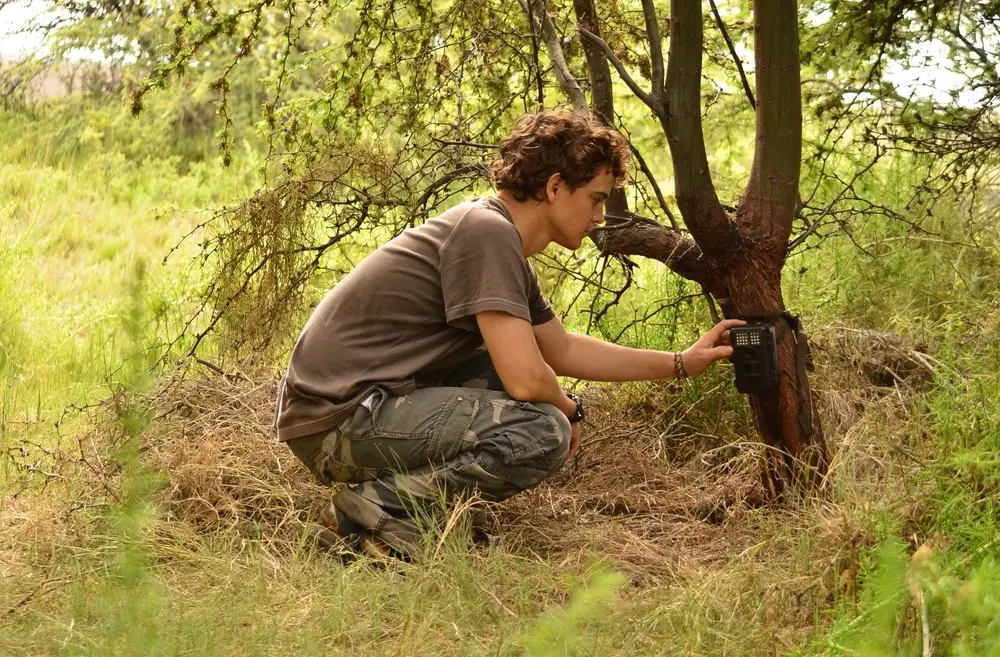
Installing smart sensors and fences deep in forests isn’t like simply configuring tech in a city. For remote deployment, the biggest roadblocks are usually power sources and reliable network connections. These forests can extend for miles, beyond the closest electric grid or cell tower. Most smart sensors and the fences connected to them require continuous power and a means of transmitting data back to researchers or rangers. For those areas where the sun blazes and the trees don’t block it out, solar panels provide a ready solution. They can charge batteries during the day and keep sensors operating at night or on cloudy days. In areas where sunlight is intermittent, certain crews deploy hybrid systems combining solar panels with wind turbines or mini fuel cells to ensure the sensors never lose power.
Extracting data from the forest can be equally difficult. Cellular networks generally don’t extend to such remote sites while satellite links are expensive and tend to have low speeds. Mesh networks are an increasingly popular means of bridging the gap. In a mesh, each sensor communicates with its neighbors, routing data from node to node until it arrives at a central hub. That way, if one sensor goes down, the others can still keep the data flowing. Teams occasionally combine short-range wireless technology such as LoRaWAN with mesh deployments to span larger distances. These networks are adaptive, and if a tree falls or a sensor goes out, they can route around the issue without losing all communication.
Forest gear has to be rugged. Rain, heat, freezing nights, and wild animals beat up gear. Plastic or flimsy metal will fail quickly. Generally, setups are enclosed in rugged aluminum or polycarbonate cases with seals to prevent water intrusion and bugs. The electronics inside have to resist extreme temperatures and continue functioning in high humidity. Some sensors have additional covers to protect from dust or mud and mounting brackets that stay firm even if animals lean or rub on them. Such hardening helps to keep maintenance manageable, which matters when the site is hours away by foot or 4×4!
Before installing anything, a good site assessment is key. A checklist helps teams know they are picking the right spot and setting up for long-term success:
- Access: Is the site reachable for installation and upkeep? If not, can equipment be brought in securely?
- Sunlight: Are there open patches for solar panels, or is the canopy too thick?
- Network reach: Can sensors link to each other or the main hub? Are hills, boulders, or thick woods in the way?
- Wildlife paths: Is the site away from animals that might damage gear?
- Weather risks: Is flooding or fire a threat? Is there an opportunity to cover equipment if necessary?
- Security: Is there a risk of theft or vandalism? Will additional deadbolts or camouflage make a difference?
- Legal and local rules: Are there permissions needed from landowners or special rules about protected areas?
Cross checking each point helps you avoid surprises that cause downtime or additional expenses.
Sustainability and community perspectives
Smart sensors and fences introduce innovative methods to monitor forests. For these tools to be effective and sustainable, it’s important to consider both the environment and the communities residing around or within these forests. Selecting materials that are not destructive to the forest is a critical first step. Utilizing solar panels and power-saving gear can be beneficial. This reduces reliance on bulky batteries or diesel back-up generators that can be damaging to land and wildlife. When it’s time to install fences or sensors, small-scale installations that don’t uproot plants or interrupt animal corridors are preferable. These types of decisions allow forests to maintain their natural rhythms while ForestWatch still enables users to monitor fires, lost trees, or illegal logging. Posts made of recycled plastic or wood from certified local sources can reduce the impact further.
Mobilizing local communities to participate in forest monitoring is as important as the technology. People who live in close proximity to forests frequently have a greater understanding of the land, animals, and plants than external specialists. Where satellite signals do not reach or thick trees block GPS or radio signals, their daily notes can fill in the gaps. When locals get involved, they tend to notice shifts or issues more rapidly than algorithms alone. Elsewhere, communities establish common phone applications so all can register observations. When a sensor fails, residents can repair it or dispatch reports. These measures instill confidence and make locals feel they have a vested interest in protecting the woods.
Privacy and land rights issues are important to all of us. They arise frequently when installing smart fences and sensors in forests inhabited or cultivated by people. Certain sensors are capable of capturing audio or video, which could cause discomfort among residents. They want to know who can view the footage or access the data. This encourages the establishment of transparent policies regarding what information is captured, who has ownership over it, and its retention period. Communities and organizations collaborate with local chiefs or councils to ensure initiatives do not breach cultural boundaries or violate trust. Land rights are complicated in many countries, so obtaining written permission and hosting public discussions prior to implementing monitoring instruments is essential.
Providing teaching programs is another big piece of making clever forest monitoring sustainable. They may demonstrate for the community why sensors and fences are necessary, what they are doing, and how to use the data for good, such as helping to prevent fires or protect endangered species. Training can include basic maintenance, so locals can repair failed systems before calling for outside assistance. Lessons that combine hands-on experience with easy step-by-step guides work best, allowing users of any skill level to participate. Such initiatives have a butterfly effect that ripples outward, leaving more forests able to use smart tech while maintaining the wisdom or rights of those who call it home.
Innovations and future directions in forest monitoring
New tools and new thinking are transforming forest monitoring. Smart sensors and digital fences are now joined by more sophisticated approaches borrowed from elsewhere. Such innovations assist individuals who monitor forests with greater efficiency and precision, serving the needs of researchers and grassroots users alike.
AI and machine learning are now at the heart of many novel forest monitoring tools. They assist in detecting risks such as unlawful logging or fires by classifying volumes of data from sensors, cameras, and satellites. AI models can verify forest cover changes weekly or even daily, alerting land use issues or timber theft quickly. Machine learning can sift and display ecosystem health based on changes over time. It can use simple AI tools to scan for trends or patterns in the data that humans may overlook, helping to make proactive action easier before an issue escalates. These intelligent networks are now embedded within stationary and mobile sensors alike, allowing users to receive immediate notifications even from remote forests.
Drones are taking a bigger role in forest monitoring as the tech advances. Drone-based sensors can soar over large areas, capturing multispectral or hyperspectral images that reveal vegetation health and types. This allows scientists to monitor forest health, detect disease, or identify tree species from above. Drones can react quickly to notifications, such as post-fire or storm damage, when accessing the location by foot is slow or dangerous. Drones equipped with LiDAR are capable of creating three-dimensional maps of forests, revealing everything from the floor to the canopy. These tools are now being trialed in locations ranging from rainforests to dry woodlands, bridging gaps when satellites or ground sensors cannot operate well, such as in low light during winter or autumn.
Blockchain is beginning to be adopted as a means of ensuring forest monitoring data security and transparency. Blockchain means that every data point added is locked in, so it can’t be altered or falsified after the fact. This assists organizations that must demonstrate their data is legitimate, such as when reporting on forest conditions to international organizations or government authorities. Blockchain can assist in monitoring who contributed or verified data, simplifying collaboration with groups scattered across multiple nations.
Sensor miniaturization and energy harvesting are two trends to watch. Smaller sensors are inexpensive to produce due to parts and design innovations. This means more sensors can be distributed throughout a forest, detecting fluctuations in temperature, soil moisture, or air quality. Some sensors now use the sun or even forest heat to power themselves, so they last longer with less upkeep. New sensors can be concealed in trees or on the ground and yet transmit information over long distances. Combined with satellite and drone data, these systems provide a new, detailed, live perspective of forests that would not have been possible even a few years ago.